
The goal of Peyton’s project was to use ArcGIS and satellite imagery to map recent lake elevations for 2023 and 2024 to deduct patterns found from the lake’s behavior. While comparing these findings to historical data, researching smaller ecosystems of the Vatnajökull glacier can reveal conceptions that resemble the greater whole of the land. The results found for this one lake could paint a greater picture for Vatnajökull.
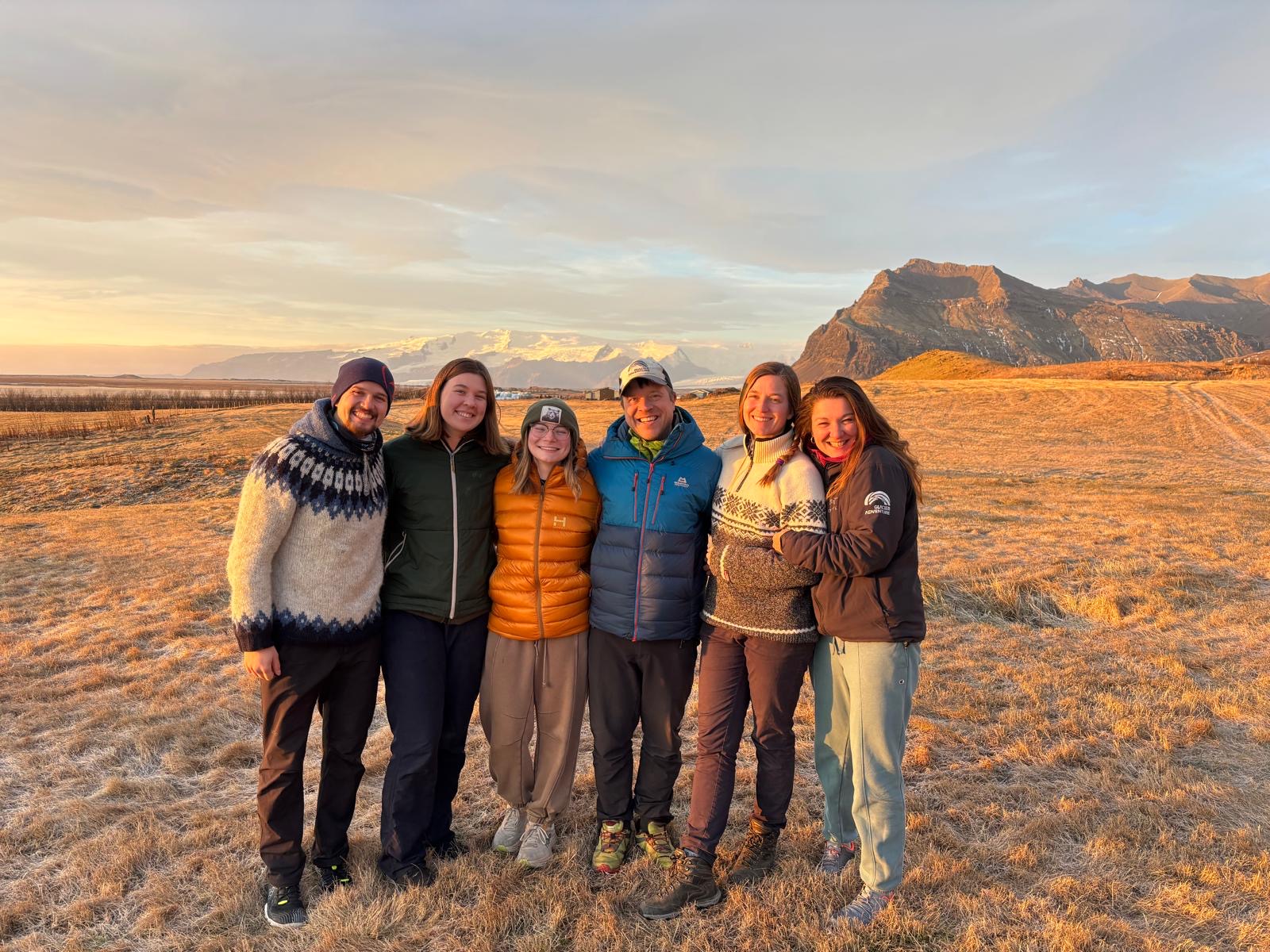
Waking up to the face of Breiðamerkurjökull every morning never got old. I had been spoiled by the amazing team at Glacier Adventures, for their generous accommodations and for sharing their incredible experiences of Breiða with my fellow peer Anna and I. Not only did Haukur capture the stunning cover photo of Innri-Veðurárdalslón with his drone but he created the opportunity for me to inquire about this lake tucked away in the crevice of glacial land. I am forever grateful.
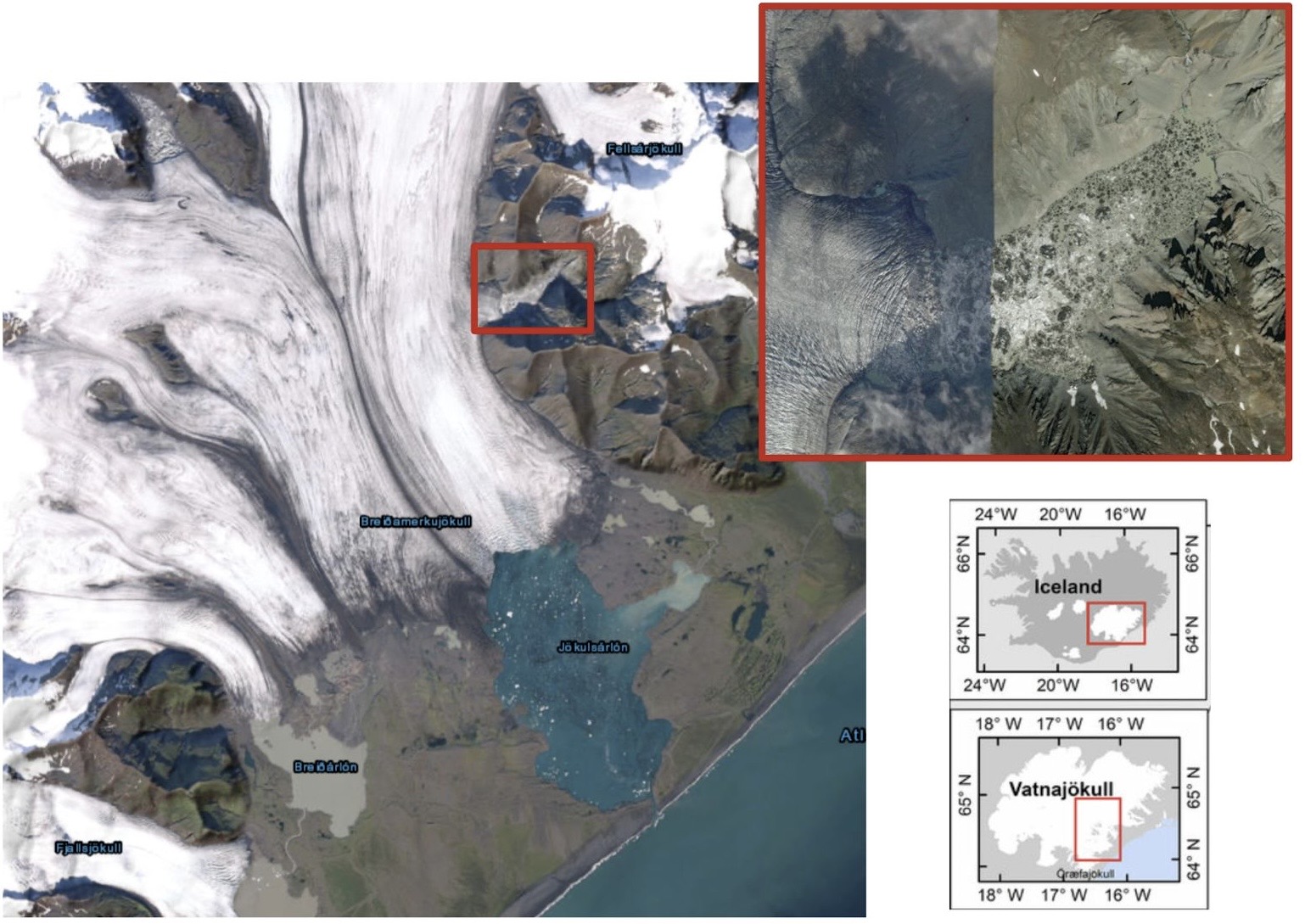
I assumed that the lake would continue to grow as melting increased; yet results show that Innri-Veðurárló’s outbursts or jökulhlaups occur more frequently in recent years and at smaller altitudes, putting the lake on trend to eventually disappear. This is a case that can be applied to all smaller ecosystems of Vatnajökull, revealing imminent disappearance that would only aggravate faster glacial retreat.
Interviews were conducted for this project alongside the quantitative analysis to share local perceptions of glacial retreat. The interviews were analyzed using MaxQDA, a qualitative analysis software and found patterns consistent among answers, describing alertness and concern as the glaciers continue to recede, but also profound love for the magnificent landmass.
Innri-Veðurárdalslón is just one focused example showing the effects of rapid glacier retreat. As glaciers like Breiðamerkurjökull continue to thin, glacial dammed lakes will continue to disappear. These ecosystems will continue to change at an unnatural rate. Research needs to continue, so lakes like Innri-Veðurárdalslón can be documented and showcased to support protection for glacier ecosystems, bring attention to retreat and the issues of climate change. Paired with data, local stories can shed light on personal experiences and relationships that people have with these landscapes, to demonstrate just how important they are to communities. Support from communities like Glacier Adventures makes research like this come to life.
You can read the full paper here
Cheers,
Peyton Ewan